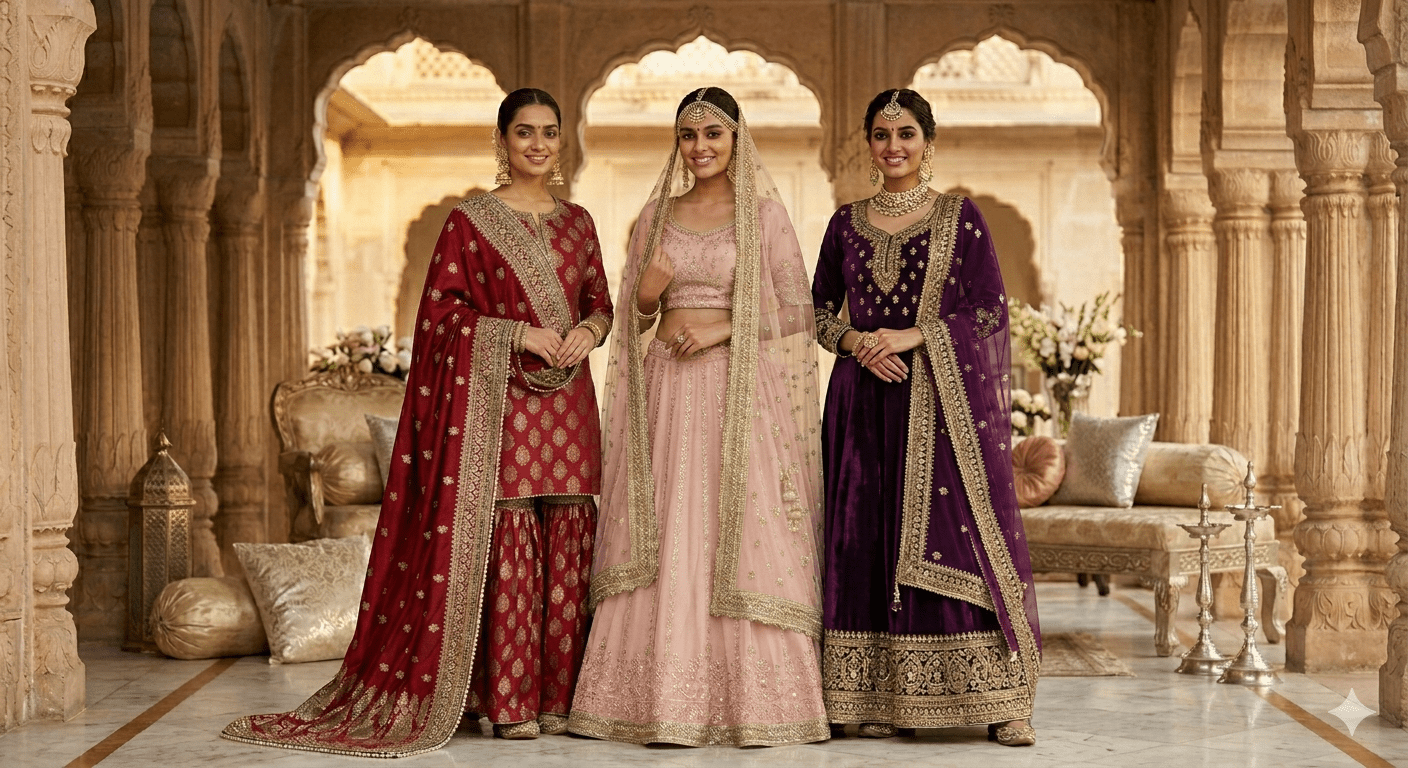
Choosing the right embroidered dupatta can transform a bridal or wedding guest outfit from beautiful to unforgettable. A well‑designed, richly embroidered dupatta adds drama, tradition, and luxury, making it one of the most important accessories for any wedding ensemble in Pakistan and across South Asia. In this guide, you’ll discover the best types of embroidered dupattas for weddings, how to match them with outfits, styling tips, and current 2026 trends—all written in a way that’s both reader‑friendly and SEO‑optimized for topics like “best embroidered dupattas for weddings” and “bridal embroidered dupatta ideas.”
Why Embroidered Dupattas Rule Wedding Fashion
Embroidered dupattas are central to Pakistani and Indian bridal wear because they combine cultural heritage with glamour.
- They elevate heavy lehengas, shararas, and anarkalis by adding texture, movement, and sparkle.
- A well‑crafted embroidered dupatta can actually become the focal point of the outfit, especially at night events or stage appearances.
For brides, the dupatta is often a reflective of the region’s craftsmanship—Punjab, Sindh, Kashmir, and Balochistan each have their own signature embroidery styles. This makes embroidered dupattas not just fashion pieces, but cultural statements that enhance the symbolism of a wedding.
Top Fabrics for Wedding Embroidered Dupattas
The base fabric of a dupatta dramatically affects how the embroidery looks and how the dupatta drapes. For weddings, choose fabrics that feel luxurious, hold stitches well, and move gracefully.
Silk and Velvet Dupattas
Silk dupattas give a smooth, shiny surface that makes zari, zardozi, and sequin work stand out. They are ideal for nikkahs, walimas, and formal receptions because they look rich without being overly heavy.
Velvet embroidered dupattas are perfect for winter weddings and evening events, since the dense pile fabric absorbs and reflects light beautifully when paired with metallic embroidery.
Net and Organza Dupattas
Net and organza dupattas are lightweight and airy, making them excellent for layered bridal looks or pre‑wedding events like mehndi and haldi.
- Net dupattas with heavy zardozi or bead work create a “floating” effect, where the embroidery appears to hover over the outfit.
- Organza dupattas with subtle embroidery or lace detailing suit girls who want a softer, more romantic bridal aesthetic.
Chiffon and Georgette Dupattas
Chiffon and georgette dupattas are popular choices for brides and guests who prefer lightweight, flowy drapes.
- They are especially good for daytime or outdoor weddings, as they don’t overheat and move beautifully in the breeze.
- Embroidered chiffon or georgette dupattas often feature delicate thread work, small beads, or light sequins, which keep the look elegant without being too heavy.
Best Embroidery Styles for Wedding Dupattas
Not every embroidery style suits every wedding outfit. The right choice depends on the occasion, time of day, and the level of glamour you want.
1. Zardozi and Zari Work Dupattas
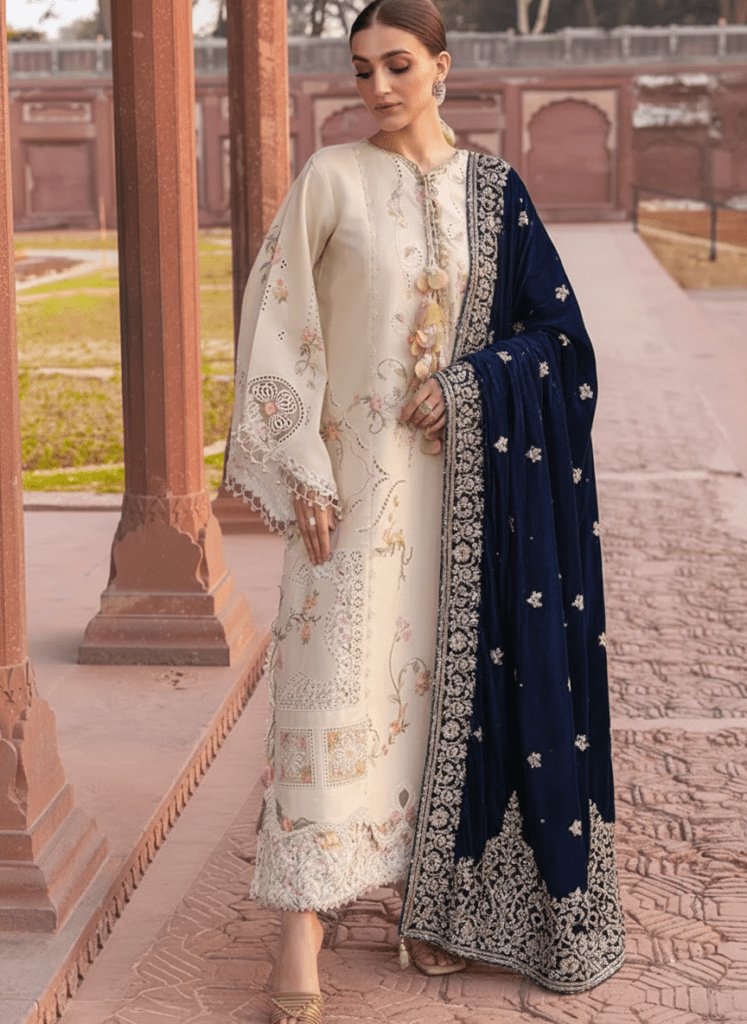
Zardozi and zari embroidery are among the most popular choices for bridal and wedding dupattas in Pakistan and India.
- These styles use metallic threads, sometimes real gold or silver, along with beads, sequins, and stones to create dense, luxurious patterns.
- Zardozi dupattas are extremely suitable for main wedding ceremonies, stages, and grand receptions because they reflect light and photograph very well.
For SEO‑friendly keywords, think: “zardozi embroidered dupatta for weddings,” “bridal zari dupatta Pakistan,” or “heavy zardozi dupatta for lehenga.”
2. Phulkari‑Style Embroidered Dupattas
Phulkari embroidery, originating mainly from Punjab, features bold floral patterns made with brightly colored thread.
- It adds a traditional, festive feel and is often used for mehndi, haldi, and dulha–dulhan events.
- Modern phulkari dupattas are made on net, organza, and chiffon, so they feel lighter than traditional heavy phulkari dupattas.
Phrases like “phulkari embroidered dupatta wedding,” “Punjabi style phulkari dupatta,” or “bridal phulkari dupatta for mehndi” work well for SEO.
3. Beaded and Sequin Work Dupattas
Beaded and sequin‑work dupattas are designed for maximum shine and glamour at evening weddings.
- Clear beads, bugle beads, and chunky sequins create movement and sparkle with every step.
- These are ideal for brides who want a modern, fashion‑forward look without being too traditional.
Keywords to target: “beaded embroidered dupatta for brides,” “sequin work dupatta for weddings,” “glitter beaded dupatta for lehenga.”
4. Chikankari and Schiffli Embroidery Dupattas
Chikankari and Schiffli embroidery are delicate, hand‑stitched styles that suit daytime or simple nikkah ceremonies.
- Chikankari uses fine white or light‑colored thread on soft fabrics like chiffon or cotton, creating a subtle, elegant look.
- Schiffli embroidery is often used on lighter organza or net dupattas, giving a feminine, romantic vibe.
These dupattas are great for SEO terms such as “chikankari embroidered dupatta for nikkah,” “schiffli embroidery dupatta for wedding,” or “light embroidered dupatta for simple wedding.”
5. Mirror, Kutch, and Kashida Work Dupattas
Mirror work, Kutch embroidery, and Kashida designs are popular in Sindh, Balochistan, and parts of Punjab.
- Mirrors, small beads, and colorful threads build geometric or floral motifs that sparkle under indoor lighting.
- These dupattas are perfect for brides who want a regional, handcrafted look that still feels modern and festive.
Use keywords like “Kutch embroidered dupatta for weddings,” “mirror work bridal dupatta Pakistan,” or “Kashida style embroidered dupatta.”
How to Match Embroidered Dupattas with Outfits
Picking the “best” embroidered dupatta also means it should match the outfit’s fabric, color, and occasion.
1. Matching Colors and Embroidery Density
- For a deep‑colored lehenga or sharara (like maroon, wine, or royal blue), choose a dupatta with matching base color and slightly heavier embroidery.
- For pastel or nude outfits, go for lighter embroidery or selective motifs (corners or borders) so the dupatta doesn’t look too heavy.
Color‑matching tips that work for SEO: “how to match embroidered dupatta with lehenga,” “best dupatta colors for bridal lehenga,” “wedding dupatta color matching guide.”
2. Dupatta Size and Drape
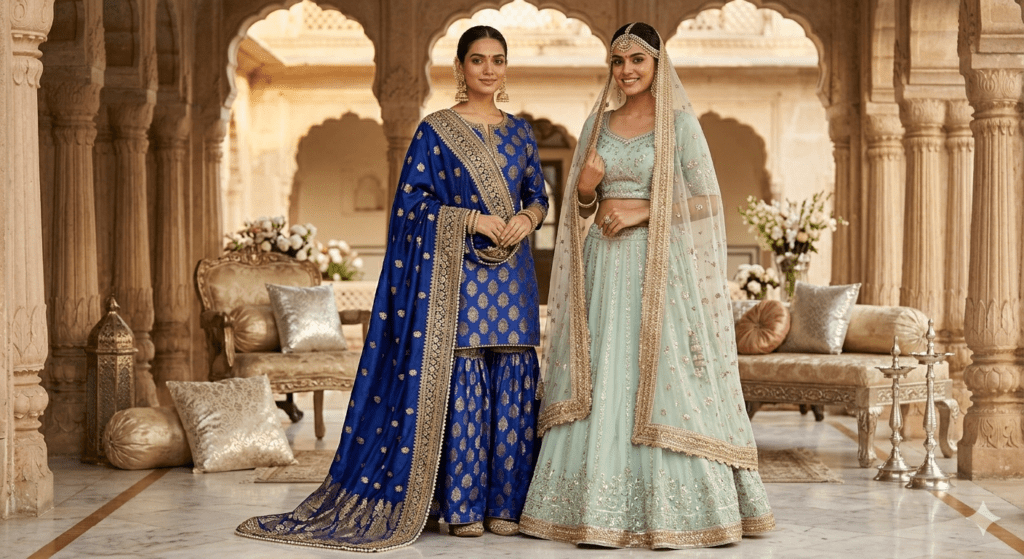
- Traditional bridal dupattas are long (around 2.5–3 meters) s
- they can be draped over the head and shoulder, or wrapped in a classic style.
- For more modern styling, slightly shorter or layered dupattas (two‑layer style) work well for bold silhouettes like mermaid lehengas or cape‑style anarkalis.
SEO‑oriented phrases: “best length for bridal dupatta,” “double layer embroidered dupatta wedding,” “bridal dupatta drape ideas.”
3. Dupatta Shape and Border Styles
- Square‑shaped dupattas are classic for formal weddings and can be draped in multiple ways.
- Dupattas with corner motifs, border embroidery, or all‑over spray work allow more styling flexibility.
Keywords: “corner embroidered dupatta for bridal,” “border style embroidered dupatta wedding,” “all‑over embroidered dupatta for lehenga.”
Styling Tips: Wearing Your Embroidered Dupatta Like a Pro
Even the most beautiful embroidered dupatta can look dull if not styled correctly. Here are styling tips that also double as SEO‑friendly content ideas.
1. Traditional Head Drape (Bridal Look)
- Drape one end over the head and the other over the shoulder, letting the embroidered part fall near the shoulder or waist.
- Secure the head section with a small jeweled clip or a nehru jacket so it stays in place during the ceremony.
Use phrases like “how to drape embroidered dupatta on head,” “bridal dupatta head styling,” or “traditional dupatta drape for wedding.”
2. Cape‑Style Dupatta Over Shoulders
- For gown‑style or mermaid lehengas, drape the dupatta like a cape over the shoulders so the embroidery falls at the back.
- This works especially well with heavy zardozi, beaded, or sequin dupattas, as the back becomes the focal point.
SEO‑friendly ideas: “cape style dupatta for wedding,” “back trail embroidered dupatta,” “modern dupatta styling for brides.”
3. Layered Dupatta Look
- Combine an unembroidered inner dupatta (soft chiffon or organza) with an embroidered outer dupatta for a layered effect.
- This is ideal for evening or stage appearances where you want extra volume and glamour without suffocation.
Keywords: “layered dupatta styling for wedding,” “two piece embroidered dupatta for bridal,” “how to layer dupattas for weddings.”
4. One‑Shoulder or Asymmetrical Drape
- For more fashion‑forward brides and guests, drape the dupatta over one shoulder and let the embroidered part fall diagonally across the body.
- This look works best with medium‑weight dupattas that don’t slip too easily.
Phrases to target: “asymmetrical dupatta drape for brides,” “one‑shoulder embroidered dupatta wedding,” “modern dupatta draping ideas.”
Best Occasions for Different Embroidered Dupattas
The “best” embroidered dupatta depends on whether it’s for a nikkah, mehndi, reception, or as a guest outfit.
1. Nikkah Dupattas
Nikkah dupattas are usually more modest and elegant, often with subtle embroidery.
- Delicate chikankari, light zari, or small bead work on chiffon or organza suits a simple, traditional nikkah ceremony.
- Colors like off‑white, ivory, rose, or pastel gold are popular for nikkah dupattas.
SEO terms: “best nikkah dupatta 2026,” “simple embroidered dupatta for nikkah,” “bridal dupatta for simple nikkah.”
2. Mehndi and Pre‑Wedding Dupattas
Mehndi and pre‑wedding events call for brighter, bolder dupattas.
- Phulkari, mirror work, or colorful beaded dupattas in mustard, lime, hot pink, or fuchsia are excellent choices.
- Lighter fabrics like chiffon or net keep the look fun and comfortable.
Keywords: “mehndi dupatta embroidered designs,” “pre‑wedding embroidered dupatta Pakistan,” “colorful dupatta for mehndi.”
3. Reception and Main Wedding Dupattas
For the main wedding or reception, go for maximum glamour.
- Heavy zardozi, beaded, or sequin dupattas on silk, velvet, or net look spectacular under stage lights.
- Ensure the dupatta is long enough and well‑secured so it doesn’t slip during speeches or dancing.
SEO‑friendly phrases: “reception dupatta ideas,” “heavy embroidered dupatta for wedding lehenga,” “bridal dupatta for stage wedding.”
2026 Wedding Dupatta Trends and Innovations
Wedding fashion changes every year, and 2026 brings some exciting updates to embroidered dupattas.
1. Lighter Embroidery with Structural Shapes
Designers are pairing lighter embroidery with bold geometric shapes and structured drapes.
- Dupattas with minimal embroidery but sculptural folds or pleated effects are trending for modern brides.
- This trend is ideal if you want to balance tradition with a contemporary silhouette.
Keywords: “2026 bridal dupatta trends,” “modern embroidered dupatta for weddings,” “minimalist embroidery dupatta 2026.”
2. Mix of Embroidery Techniques
Many brides are choosing dupattas that combine multiple embroidery styles—zardozi plus mirrors, beads plus phulkari motifs, or chikankari mixed with sequins.
Phrases: “mixed embroidery dupatta for wedding,” “combined embroidery dupatta design,” “fusion embroidery dupatta 2026.”
3. Sustainable and Handcrafted Dupattas
Eco‑conscious brides are leaning toward hand‑embroidered, locally made dupattas instead of mass‑produced pieces.
Use: “handmade embroidered dupatta for wedding,” “sustainable bridal dupatta Pakistan,” “hand‑crafted dupatta for nikkah.”
How to Care for Embroidered Wedding Dupattas
After the wedding, many brides keep their dupattas as keepsakes, so proper care is essential.
- Store embroidered dupattas in clean, breathable cloth bags away from moisture and direct sunlight.
- Avoid hanging heavy dupattas on thin hangers, as the weight can stretch the fabric and loosen embroidery threads.
For SEO, try: “how to store embroidered dupatta after wedding,” “care tips for zardozi dupatta,” “washing embroidered dupatta at home.”
Where to Buy the Best Embroidered Wedding Dupattas
In Pakistan and globally, brides have many options to buy embroidered dupattas, both offline and online.
- Bridal boutiques and designer stores offer custom‑made or premium‑quality embroidered dupattas.
- E‑commerce platforms and apps allow you to browse “embroidered dupatta for wedding,” filter by fabric, color, and occasion, and get delivery nationwide.
Keywords: “buy embroidered dupatta online Pakistan,” “bridal dupatta shop near me,” “best online store for zardozi dupatta.”